Oatly commits $16m to expand Swedish plant in major capacity and sustainability push
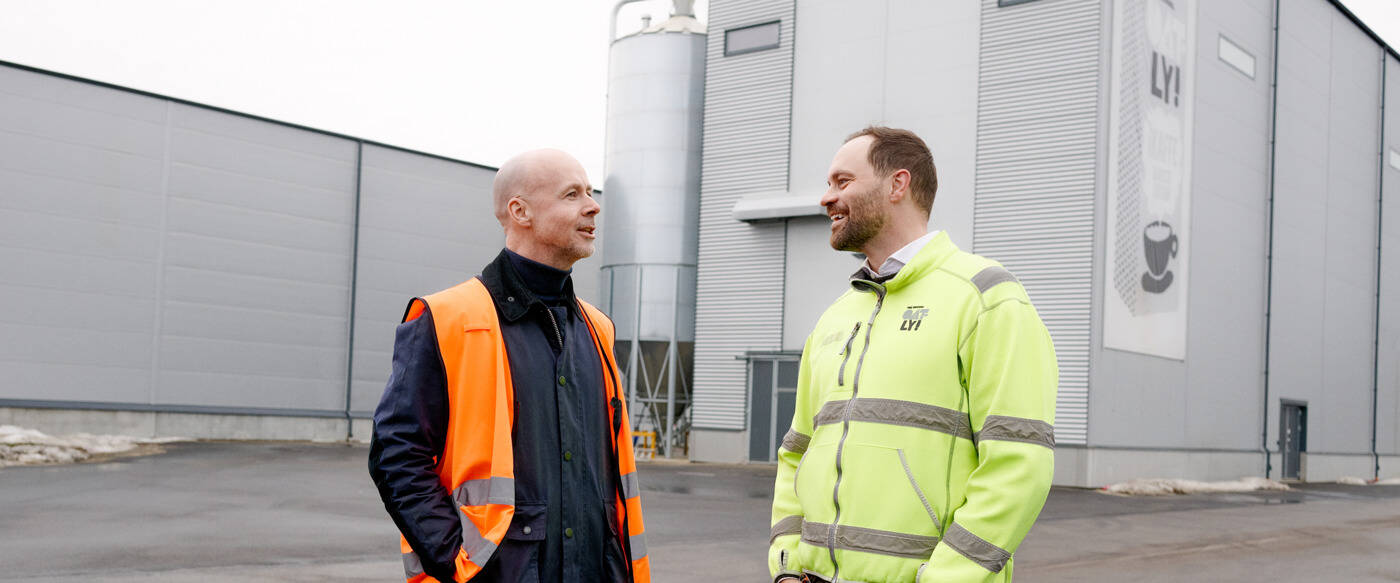



Oatly’s decision to invest $16 million in expanding its Landskrona production plant marks a significant move for the company and the wider plant‑based sector, signalling both confidence in long‑term demand and a shift toward more efficient, lower‑impact manufacturing. The upgrade will increase the site’s annual output from 150 million to 200 million litres – a more than 33% boost – while operating within the facility’s existing footprint.
The Landskrona site is one of Oatly’s longest‑running production hubs and currently employs more than 300 people. The investment is designed to support rising global demand for oat‑based drinks, particularly in Europe, where plant‑based dairy alternatives continue to gain traction. Oatly describes the expansion as part of a multi‑year strategy to scale production while maintaining control over quality and sustainability across its supply chain.
Increasing capacity by 50 million litres per year positions Oatly to stabilise supply, reduce bottlenecks and strengthen its ability to serve both retail and foodservice customers. For a company that has faced scrutiny over past supply constraints, the investment signals a renewed focus on operational resilience.
Alongside capacity growth, Oatly says the investment will reduce the climate impact of operations across three key areas, although detailed metrics have not yet been disclosed. The Landskrona facility already functions as a fully owned, end‑to‑end production hub, supported by Oatly’s nearby science and innovation centre in Lund. This proximity allows the company to integrate R&D, production and sustainability initiatives more tightly – an increasingly important differentiator in a competitive plant‑based market.
The decision to expand within the existing footprint also aligns with Oatly’s broader sustainability narrative: increasing output without expanding land use, and improving efficiency rather than relying solely on new-build capacity.
The investment underscores several wider industry trends:
For Landskrona, the investment reinforces the region’s role as a centre for plant‑based manufacturing and innovation. With construction expected to begin in March 2026 and conclude by March 2027, the project is likely to support local employment and strengthen Sweden’s position in the global alternative‑dairy supply chain.
The expansion suggests Oatly is entering a new phase focused on operational discipline, efficiency and long‑term capacity building. After years of rapid brand‑driven growth, the company appears to be prioritising infrastructure that can support sustained global distribution and improved margins.