Case study: how Burcon’s next‑generation plant proteins are redefining the future of plant‑based cheese



As the plant‑based cheese category accelerates toward double‑digit global growth, formulators continue to grapple with a familiar set of challenges: off‑flavours, weak melt, poor stretch, and inconsistent texture. For years, these limitations have prevented plant‑based cheese from achieving parity with dairy in mainstream markets.
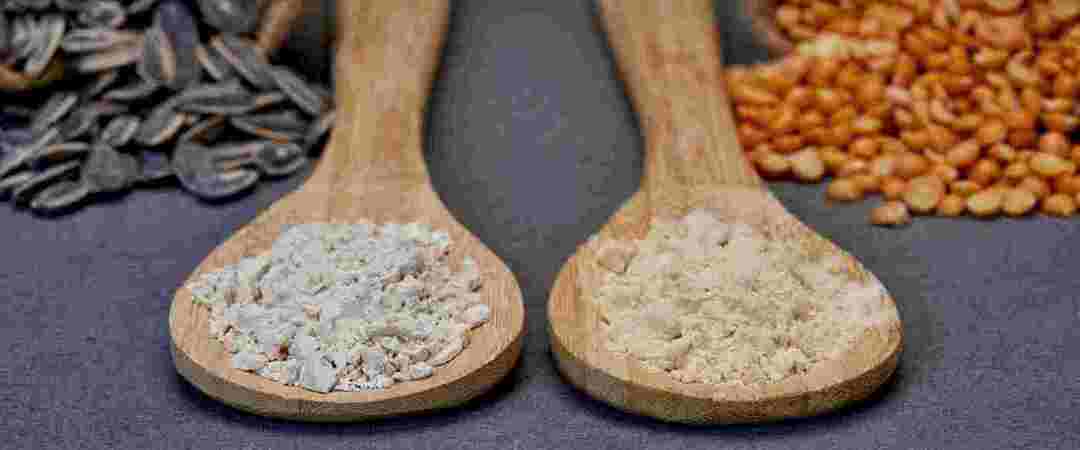
In 2026, Burcon NutraScience Corporation is emerging as a pivotal force in closing that gap. Through its proprietary extraction technology and two flagship ingredients – Peazazz C pea protein and Solatein™ sunflower protein – the company is demonstrating how next‑generation plant proteins can unlock the sensory and functional performance consumers expect from cheese.
“One of the biggest challenges facing the global food and beverage industry is creating climate‑friendly products that don’t compromise on taste or nutrition,” says Martin Schweizer, VP Technical Development at Burcon. “Our technology produces exceptionally pure, highly functional, and neutral‑tasting plant proteins that enable exactly that.”
For formulators, achieving dairy‑like melt, stretch, and shred has long been the holy grail. Traditional plant proteins often fall short, delivering vegetal notes, weak structure, and poor oil binding.
Burcon’s Peazazz C is engineered to overcome these limitations.
According to Schweizer, Peazazz C delivers hardness, shred efficacy, and melting performance that outperform all other pea protein isolates on the market today. Its strong oil‑binding capacity makes it particularly effective in applications such as grilled cheese, where fat retention and melt behaviour are critical.
Equally important is its sensory neutrality. “Peazazz C delivers neutral flavour and aroma that enhances the overall sensory experience of the cheese,” Schweizer notes – an essential step in eliminating the off‑notes that have historically hindered plant‑based cheese adoption.
Solatein: expanding functionality beyond cheese
While Peazazz C is making waves in cheese, Burcon’s Solatein sunflower protein is opening doors across multiple categories. With its clean flavour profile and off‑white colour, Solatein offers formulators a versatile, highly functional protein that integrates seamlessly into a wide range of applications.
“Solatein is ideal for ready‑to‑drink beverages, ready‑to‑mix beverages, nutritional beverages, dairy alternatives, plant‑based cheese, baked goods, bars, and meal replacement products,” Schweizer explains. Its neutral taste and smooth texture allow brands to boost protein content without compromising flavour or appearance – two critical factors in consumer acceptance.
Burcon’s competitive edge lies in its proprietary extraction and processing methods, which produce proteins with over 90% purity while preserving their natural functionality. This purity is directly linked to performance.
“The high 90+% protein purity levels retain the protein’s natural functionality, and in the case of Peazazz C and Solatein, both enhance melt, stretch, shred, and taste,” says Schweizer.
The result is a new generation of plant proteins that behave more like dairy proteins in complex applications. “These next‑generation plant proteins are setting a new industry standard for quality and taste,” he adds.
Beyond mozzarella: performance across cheese styles
While mozzarella‑style cheese is often the benchmark for melt and stretch, Burcon’s proteins are proving effective across a broader range of cheese types.
“Both Peazazz C and Solatein perform well in other cheese types. In particular, Solatein exhibits similar properties to dairy cheddar,” Schweizer confirms. This opens the door to plant‑based versions of aged, firm, or fermented cheeses — segments where flavour and texture expectations are even higher.
Despite rapid growth, the plant‑based cheese category still faces significant unmet needs. According to Schweizer, flavour, aroma, and functionality remain the biggest barriers to consumer satisfaction.
“Traditional plant proteins used in plant‑based cheese often give off an unpleasant vegetable taste and smell that may negatively affect the overall sensory experience,” he says. “We now have next‑generation plant proteins that overcome these challenges and help food formulators develop innovative, great‑tasting new products.”
As performance improves, the question is no longer whether plant‑based cheese can compete with dairy – but when.
“We all love cheese for the way it melts and stretches,” Schweizer reflects. “With next‑generation plant protein ingredients, plant‑based cheese can now deliver an exceptional sensory experience. Achieving key texture attributes similar to dairy cheese is a major step toward exceeding consumer expectations of what vegan cheese can be.”
Burcon’s work suggests that the future of plant‑based cheese is not limited to vegan or lactose‑intolerant consumers. With the right ingredients, plant‑based cheese can appeal to all cheese lovers – delivering sustainability without sacrificing indulgence.