Experts warn: marketing loopholes threaten to turn alcohol-free benefits into public health risks
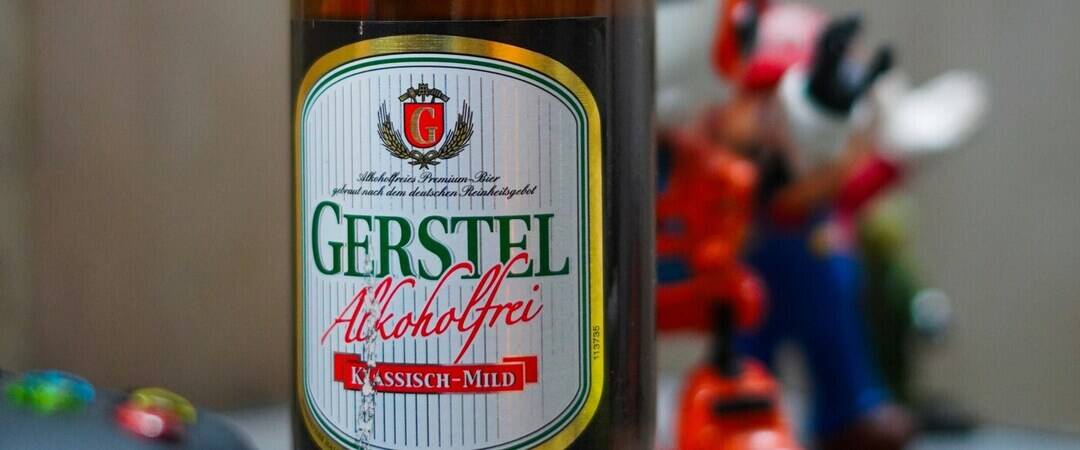



While the rise of no- and low-alcohol (nolo) drinks offers a significant opportunity to reduce alcohol-related harm, public health experts are warning that corporate "marketing loopholes" could undermine these benefits if left unregulated.
In a new analysis published in The BMJ, researchers from the University of Sheffield and other institutions argue that a "precautionary approach" is urgently needed. They contend that while nolo drinks can help heavy drinkers and high-risk groups (such as pregnant women or drivers) transition away from alcohol, the products are also being used as a "Trojan horse" to circumvent advertising restrictions.
The marketing loophole
The primary concern centres on "alibi marketing." Because nolo variants often share near-identical branding, logos, and colour schemes with their full-strength counterparts, companies can promote their brand in spaces where alcohol advertising is banned.
Experts point to recent examples to illustrate the risk:
The Olympics: Corona Cero (0.0%) was named the official global beer sponsor of the 2024 Olympics. This allowed the "Corona" brand to appear in sporting and media contexts previously off-limits to alcohol companies.
Regulatory evasion: in countries like Ireland, where strict bans exist on alcohol advertising on public transport or near schools, beer companies have responded by heavily promoting their 0.0% variants – effectively keeping the parent brand in the public eye.
Encroachment on alcohol-free spaces: nolo drinks are increasingly appearing in supermarket "lunchtime meal deals," gyms, and youth-centric events, potentially normalising "beer culture" in environments that were once entirely sober.
The harm reduction potential
Despite these risks, the report acknowledges that nolo drinks – which now account for 1.4% of total alcohol sales in Britain – have a genuine role in harm reduction. One in five UK adults now consumes these products at least once a month.
"Nolo drinks have obvious potential to improve public health, especially for heavier drinkers and those in lower socio-economic groups," noted John Holmes, professor of alcohol policy at the University of Sheffield. However, he warned that without strategic regulation, the market-led solution might be "smaller and less equitable than desired."
A call for strategic regulation
The authors are calling for a policy framework that prioritises public health over commercial interests. Their recommendations include:
1 Strict advertising rules: preventing nolo marketing from being used to bypass existing alcohol advertising bans.
2 Protecting Children: ensuring nolo products are not marketed to minors or placed in sections of the store that appeal to children.
3 Tax incentives: using strength-based taxes to encourage manufacturers to replace high-alcohol products with lower-strength alternatives.
4 Preserving sober spaces: limiting the encroachment of "alcohol-branded" products into health-focused or alcohol-free environments.
The experts conclude that while they are not seeking to exaggerate the risks, the public health community must not take market-led solutions at face value. "As with e-cigarettes and reformulated foods, we should not assume these products are inherently beneficial without independent oversight," the report states.