Dry January evolves into a year‑round opportunity



What began as a January reset has become a sustained change in consumer behaviour: more people are choosing moderation, balance and mindful drinking throughout the year. That shift creates a permanent market for non‑alcoholic (NA) and low‑alcohol (LA) beverages, and it forces brands to compete on experience, not just alcohol content.
Why glass matters for NA/LA brands
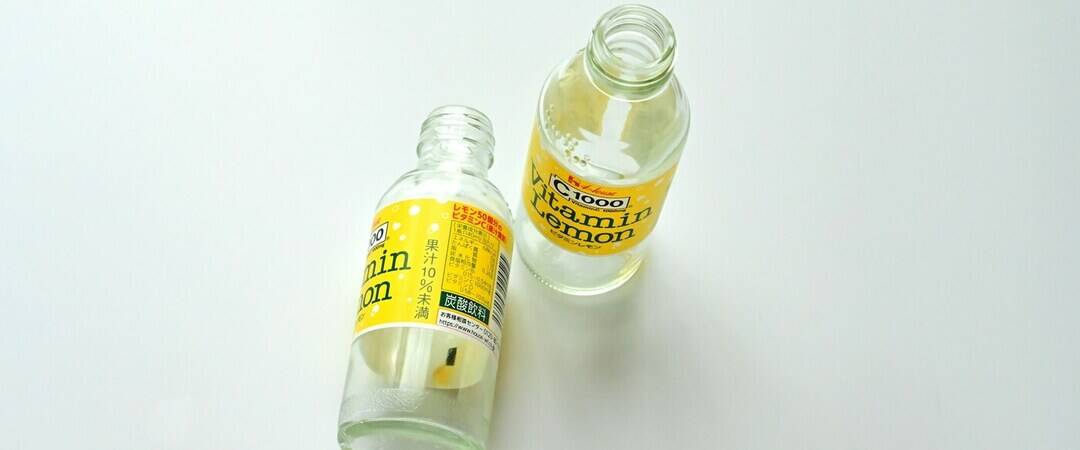
Glass communicates premiumisation and authenticity. Consumers equate glass with craft, quality and ritual – cues that NA/LA brands need as they move from niche to mainstream. Glass also preserves sensory integrity (aroma, carbonation and flavour) better than many alternatives, helping products deliver a more convincing, adult drinking experience.
Sustainability and reuse are powerful differentiators. Refillable and recyclable glass formats align with the values of mindful consumers and provide a tangible sustainability story that brands can own on pack and in marketing.
Packaging as part of the product experience
Brands should treat packaging as an extension of the beverage experience. Design choices – weight, finish, label style and closure – all shape perception. Heavier bottles, tactile finishes and minimalist labels can signal craft and occasionability; resealable closures and smaller formats support at‑home and on‑the‑go consumption. Glass enables premium shelf presence and lends itself to premium merchandising in both retail and hospitality settings.
Practical activations for brands and retailers
Trade implications: margins, perception and partnerships
Retailers and on‑trade operators can use glass SKUs to capture higher price points and margin while meeting consumer demand for premium, mindful options. Partnerships between glass suppliers, brands and hospitality operators can create co‑branded experiences (tasting flights, mocktail menus) that accelerate trial and repeat purchase.
As Dry January becomes a year‑round cultural shift, glass packaging offers NA/LA brands a strategic toolkit: it elevates product perception, protects sensory quality, and supports sustainability narratives that resonate with modern consumers. For brands and retailers aiming to convert curiosity into long‑term category growth, glass is not just packaging – it’s a commercial lever.