More cocoa-free chocolate set to hit Australasian shelves
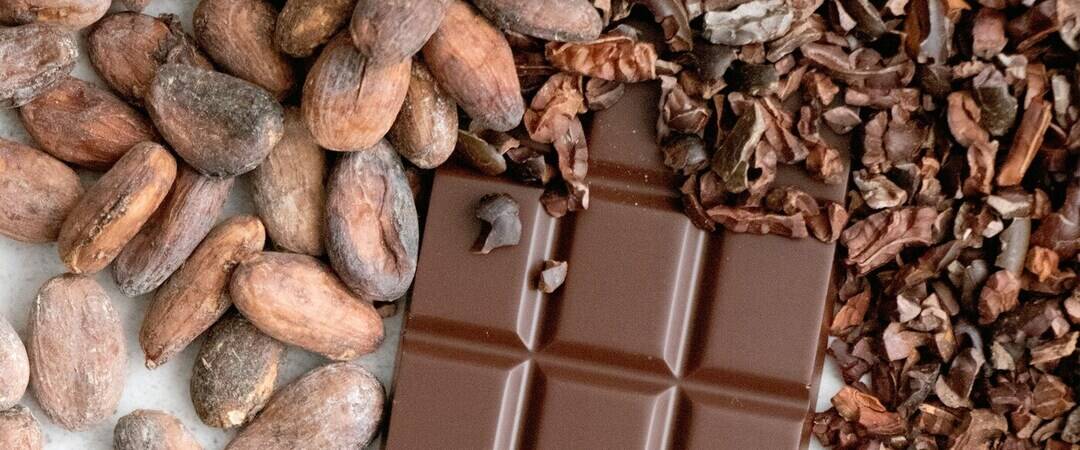



Consumers across Australia and New Zealand may soon find "cocoa-free" chocolate in their shopping baskets as confectionery manufacturers scramble to hedge against a volatile global cocoa market.
According to a new report from agribusiness banking specialist Rabobank, titled Beyond the Bean: ‘Big Chocolate’ Explores Cocoa-Free Pathways, the industry is shifting from niche experimentation to "strategic initiatives" to secure the future of sweet treats.
A market under strain
The push for alternatives follows a turbulent 18 months for the global cocoa sector. Prices reached an unprecedented peak of nearly USD $11,900 per metric ton in late 2024 – more than four times the historical average – driven by erratic weather, disease, and aging trees in West Africa, which provides 60% of the world’s supply.
While prices eased toward the end of 2025, Rabobank analysts warn they remain roughly double 2023 levels.
“For Australia, these high prices have been felt in consumers' hip pockets, coming through in increased chocolate prices,” said Paul Joules, RaboResearch commodities analyst. “Procurement strategies have been upended, margins squeezed, and reformulation accelerated.”
The three technology "tracks"
The report identifies three primary technological pathways currently attracting investment from major global food companies and startups:
1 Fermentation: using plant-based bases like oats, sunflower seeds, and carob to create chocolate-like profiles. This is considered the most scalable near-term solution.
2 Upcycling: repurposing agricultural by-products, such as brewers’ spent grain, into cocoa-like components for coatings and fillings.
3 Lab-grown cocoa: producing cocoa powder and butter via plant cell cultures in bioreactors. While promising, this remains in the pilot stage.
“Lab-grown cocoa is the only cocoa-free technology that offers a theoretical route to chocolate 'bar-grade' sensory experience and long-term supply security,” Mr. Joules noted. “However, it is a long-horizon play... consumer acceptance is untested, and there are significant hurdles around cost and scale.”
Where will you see it?
Don’t expect premium dark chocolate bars to disappear just yet. Rabobank predicts that cocoa-free ingredients will initially appear as "compound chocolate" – the coatings, fillings, and "chips" found in biscuits, protein bars, bakery goods, and ice cream.
The report notes that some manufacturers have already begun changing recipes to the point where products can no longer legally be defined as "chocolate" in certain jurisdictions, instead being labelled as "chocolate flavoured."
Resilience, not replacement
Despite the rapid innovation, Rabobank emphasizes that the goal is not to eliminate the cocoa bean, but to add "flexibility" to a fragile supply chain.
“This is not about replacing cocoa – it's about creating options that add resilience, support cost stability, sustainability, and flexibility,” the report stated.
As climate models project that up to 50% of current cocoa-growing areas could become unsuitable by 2050, the "Beyond the Bean" era may be a permanent fixture for the Australasian food industry.
Photo by Tetiana Bykovets on Unsplash