Clean label demand surges as consumers fight nutritional confusion
In an era of nutritional information overload, the clean label movement has evolved from a niche health trend into a dominant market force.
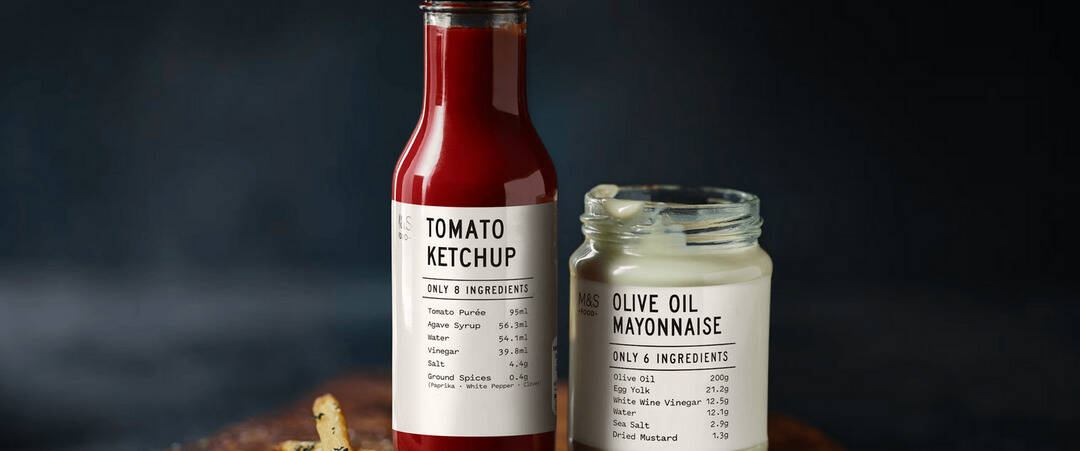



In an era of nutritional information overload, the clean label movement has evolved from a niche health trend into a dominant market force.
New data from GlobalData reveals that as health and wellness priorities reach a post-pandemic peak, consumers are increasingly turning to products that offer simplicity, transparency, and minimal processing as a shortcut to healthy eating.
According to GlobalData’s 2025 Q3 consumer survey, two-thirds (66%) of global shoppers admit that "how a product impacts my health and wellbeing" always or often influences their purchasing decisions. However, this desire for health is being met with a significant obstacle: 48% of consumers find it difficult to distinguish which foods and drinks are actually healthy for them.
The antidote to infobesity
This "confusion gap" is precisely where clean-label formulations are gaining ground. By utilizing familiar, recognizable ingredients and providing clear, easy-to-read labels, brands are offering a practical solution for overwhelmed shoppers.
"Clean-label foods emphasise simplicity and transparency," says Eve Forshaw, Consumer Analyst at GlobalData. "They use familiar ingredients and rely on minimal processing, positioning them as an ideal way to meet rising consumer expectations for more straightforward products."
Retailers leading the charge
Major retailers are already moving to capitalise on this demand for radical simplicity. In early 2026, UK giant Marks & Spencer expanded its "Only Ingredients" range, a flagship example of the clean-label trend. The range includes products like:
"Only One Ingredient" Cornflakes: Made entirely of corn.
"Only Three Ingredients" Beef Burgers: Comprising just beef, sea salt, and black pepper.
By stripping back formulations, these products remove the mental friction of scanning complex chemical names, reinforcing the perception of a "healthier" choice without the need for deep nutritional knowledge.
The price of purity: the value challenge
While the demand for clean labels is clear, the trend faces a significant hurdle: the cost-of-living crisis. GlobalData’s research shows that 83% of consumers still consider "low price" an essential or nice-to-have feature.
Because clean-label products often replace cheap, synthetic additives with more expensive natural or organic alternatives, they frequently carry a premium price tag. Experts warn that for clean label to move from a "specialty" option to a regular shopping staple, brands must find a way to balance ingredient integrity with accessible pricing.
The future: beyond the list
The next phase of the clean-label movement is expected to look beyond the back-of-pack ingredient list. Consumers are increasingly focusing on "Natural Intelligence" — seeking out plant-based ingredients, functional botanicals, and traditional fermentation methods.
As the "New Year, New Me" resolutions of early 2026 take hold, the industry is seeing a peak in "selective avoidance," where shoppers actively bypass products containing artificial preservatives, sweeteners, and dyes.