Analysis: the gut-first generation - how fibermaxxing rebranded gut health for Gen Z
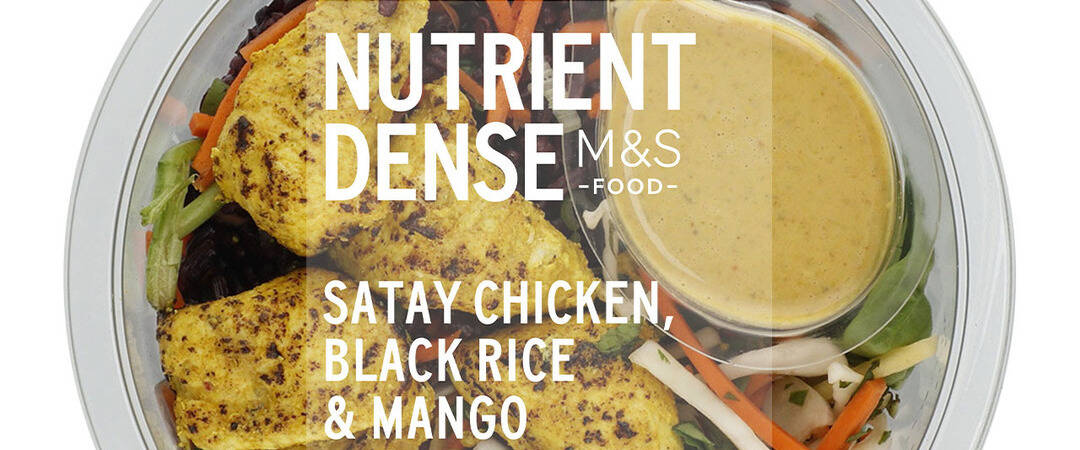



For decades, the dietary fibre market was defined by beige boxes, medicinal powders, and a singular focus on the digestive woes of the elderly.
But according to new data from GlobalData, a seismic demographic shift is underway. The unsexy nutrient of yesteryear has been rebranded for the TikTok era, fuelled by a generation that views the microbiome as the ultimate command center for holistic wellness.
The numbers tell a story of proactive health management. According to GlobalData’s latest consumer research, an impressive 40% of Gen Z (those aged 18–26) are now actively trying to improve their gut health. This isn’t just a passing interest in eating better; it is a calculated, data-driven pursuit known in digital circles as fibermaxxing.
The aestheticisation of the microbiome
Fibermaxxing — the social media-driven trend of maximising dietary fibre intake through diverse plant sources, seeds, and supplements — represents a fundamental change in how young consumers interact with nutrition. Unlike previous generations who often sought low-calorie or low-fat solutions to look a certain way, Gen Z is looking inward.
For this cohort, gut health is the God Tier of wellness. They have connected the dots between the microbiome and the gut-brain axis, believing that a healthy digestive system is the key to clearer skin, improved mental health, higher energy levels, and better sleep.
The rise of prebiotic everything
The food and beverage industry has wasted no time in responding to this 40% surge. The most visible manifestation of this shift is the explosion of the functional soda category. Brands like Olipop and Poppi have successfully positioned prebiotic-infused beverages as a "cool" alternative to traditional soft drinks, effectively turning a dose of fiber into a lifestyle accessory.
However, the trend goes beyond beverages. GlobalData notes that younger consumers are increasingly looking for "stealth health" in everyday products. This is driving innovation in:
Why Gen Z? The preventative paradigm
The analysis suggests that Gen Z is the first generation to approach health with a preventative-first mindset at such a young age. While Baby Boomers often turned to fibre as a reactive measure to age-related issues, Gen Z is adopting these habits in their early twenties to future-proof their bodies.
This preventative paradigm is also linked to the cost-of-living crisis. For many young people, staying healthy is a financial strategy — an attempt to avoid the long-term costs associated with chronic illness by maintaining a resilient internal ecosystem now.
The bottom line
For manufacturers and retailers, the message from GlobalData is clear: if you aren't talking about the gut, you aren't talking to Gen Z. The challenge for brands in 2026 will be to maintain the cool factor of fibre while ensuring scientific efficacy. As fibermaxxing continues to trend, the market will likely move away from generic high-fibere claims toward more sophisticated, personalised prebiotic solutions tailored to the specific needs of a generation that views its stomach as its second brain.