Analysis: GLP‑1’s behavioural shift
What the ASU study means for the future of plant‑based, low‑sugar and no/low‑alcohol categories




What the ASU study means for the future of plant‑based, low‑sugar and no/low‑alcohol categories
A new Arizona State University study examining the social effects of GLP‑1 medications – drugs such as Ozempic and Wegovy – suggests that their impact extends far beyond weight loss.
According to the research, GLP‑1 users are changing how they eat, drink, socialise and make health‑related decisions, with implications that could reshape multiple food and beverage categories.
The findings point to a future where appetite suppression, reduced cravings and a heightened focus on “functional” consumption could accelerate existing trends – and disrupt others.
1. Plant‑based foods: poised for a second wave of growth – but only if they deliver function
Why GLP‑1 users matter
The ASU study highlights that GLP‑1 users often adopt new “health‑optimising identities,” becoming more selective about what they consume and more motivated by nutritional efficiency than indulgence or volume.
Implications for plant‑based brands
This could benefit plant‑based categories if products meet the new criteria GLP‑1 users prioritise:
Opportunities
Risks
Plant‑based brands that lean into protein, simplicity and functionality stand to gain the most.
2. Low‑sugar and reduced‑calorie products: a major growth opportunity
The ASU research notes that GLP‑1 users often experience reduced cravings for sugar and adopt new strategies to avoid foods that trigger overeating or discomfort.
This creates a perfect storm for low‑sugar innovation:
The biggest shift?
Sugar reduction becomes less about dieting and more about comfort, control and metabolic stability – a framing that could reshape marketing strategies.
3. No/low‑alcohol: GLP‑1 may accelerate the moderation movement
One of the most striking behavioural changes identified in the ASU study is the shift in social habits and consumption rituals among GLP‑1 users. Many report drinking less alcohol because:
Implications for the no/low‑alcohol market
This could accelerate a cultural pivot already underway: alcohol as an optional part of socialising rather than a default.
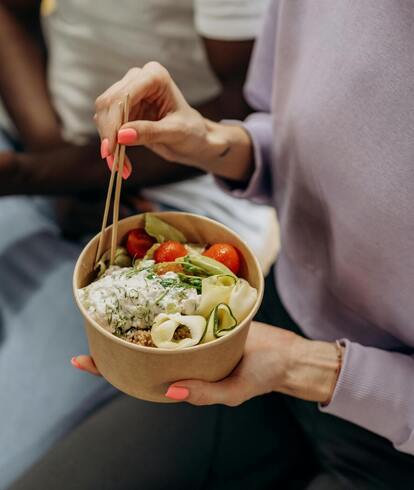
Photo by Haberdoedas on Unsplash